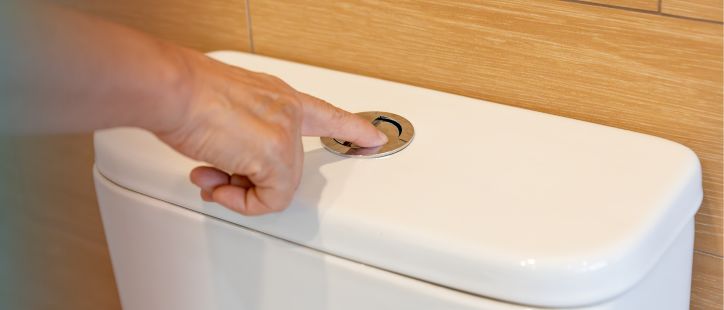
A one-time clog happens. It’s part of owning a home. But if you’re reaching for the plunger every week, or even every few days, something else is going on. Recurring toilet clogs usually point to a bigger issue somewhere in your plumbing system. Sometimes it’s a simple fix. Other times, it’s an early warning sign that something deeper needs attention.
Here’s how to tell the difference and what to do about it.
Start with the Most Common Causes
Before assuming the worst, it’s worth looking at a few everyday reasons toilets clog more often than they should.
Too Much Toilet Paper. It’s the most common culprit. Even newer toilets can struggle if too much paper goes down at once, especially if it’s thick or “ultra-soft” paper that doesn’t break down easily. If clogs happen after heavier use, this may be part of the issue.
“Flushable” Wipes (That Aren’t Really Flushable). Despite the label, most wipes don’t break down the way toilet paper does. They tend to hold their shape, catch on rough spots inside pipes, and build up over time. Eventually, they create a partial blockage that causes repeated clogs. This is something plumbers see all the time.
Foreign Objects. In homes with kids, it’s not unusual for small objects to end up in the toilet. Even something as simple as paper towels, tissues, or hygiene products can restrict the flow of water and waste. Once that happens, clogs become more frequent.
When It’s Not Just a Simple Fix
If you’ve ruled out everyday use habits and the problem keeps coming back, it’s likely something further down the line.
Partial Blockage in the Drain Line. A clog doesn’t have to be complete to cause problems. In many cases, there’s a buildup inside the drain line, like soap residue, paper, or debris, that narrows the pipe. Water still flows, but not as freely as it should. Each flush adds more material to the same spot. Over time, clogs happen more and more often.
You might notice:
- Slower flushing
- Water rising higher than usual before going down
- Occasional backups that seem to resolve themselves
These are all signs of a developing blockage.
Issues with the Toilet Itself. Not all toilets are built the same. Older models, especially those installed before modern efficiency standards, may not generate enough force to clear waste effectively. That can lead to repeated clogs even when everything else is working properly. Low-flow toilets can also struggle if they’re not functioning at full capacity.
Venting Problems. Your plumbing system relies on vent pipes to allow air to flow through the system. If those vents become blocked by debris, nests, or buildup, it can affect how water moves through your pipes. Toilets may flush weakly, gurgle, or clog more often as a result. This isn’t something most homeowners can easily see, but it can make a noticeable difference in performance.
Sewer Line Concerns. This is where recurring clogs become more serious. If multiple fixtures in your home start acting up (like sinks, tubs, or other toilets) it could point to a problem in the main sewer line.
Common causes include:
- Tree root intrusion
- Grease buildup
- Collapsed or aging pipes
- Heavy debris accumulation
When the main line is restricted, toilets are often the first place the problem shows up.
Signs It’s Time to Call a Plumber
If you’re dealing with repeated clogs, it helps to know when it’s worth bringing in a professional.
Some clear signs include:
- Clogs happening more than once a week
- Water backing up into other drains
- Gurgling sounds when you flush
- A plunger only providing temporary relief
- Slow drainage throughout the home
At that point, the issue usually isn’t at the surface.
What a Professional Inspection Can Reveal
When Maffei Services is called in for recurring clogs, the goal isn’t just to clear the blockage. It’s to figure out why it’s happening.
Depending on the situation, that may include:
- Snaking or clearing the drain line
- Inspecting the toilet’s performance
- Checking venting issues
- Using a camera inspection to look inside the sewer line
Camera inspections are especially helpful for identifying hidden problems like roots, buildup, or pipe damage that you wouldn’t otherwise see.
Don’t Ignore the Pattern
It’s easy to treat recurring clogs as a minor inconvenience. But over time, they tend to get worse, not better. A partial blockage can turn into a full one. A slow drain can become a backup. And a simple repair can turn into a larger job if it’s left too long. Taking care of the issue early usually means fewer headaches and fewer surprises.
When You’re Ready to Fix It for Good
If your toilet keeps clogging and you’re not sure why, it’s worth having it checked out. Maffei Services works with homeowners throughout Essex County, Massachusetts and Southern New Hampshire to diagnose and resolve plumbing issues like these every day. Sometimes it’s a quick fix. Other times, it’s something that needs a closer look. Either way, getting a clear answer is the first step toward solving it for good.

