By the time March rolls around, most homeowners are ready to move past winter. The snow starts to melt. The days get longer. And your home begins shifting into spring mode. But your plumbing system is still catching up.
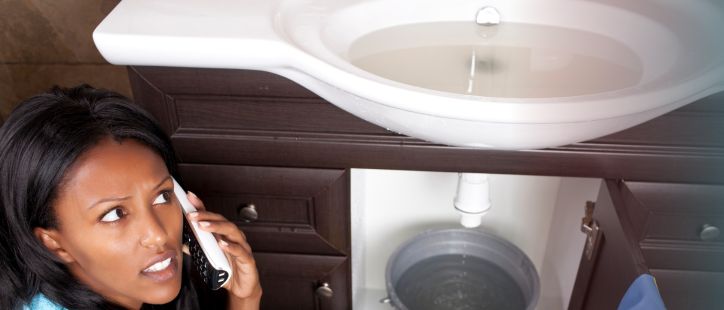
If you’ve noticed your kitchen sink taking longer to drain, or your shower pooling water a little more than usual, you’re not alone. Slow drains are one of the most common post-winter issues inside the home.
The good news is that in most cases, it’s not a major problem. It’s buildup. And March is the perfect time to deal with it.
What Builds Up in Your Drains Over Winter
During the colder months, your home sees a lot more indoor use. Cooking increases. Showers run longer. Laundry loads stack up. All of that activity leaves behind residue inside your pipes.
In kitchen drains, it’s often:
- Grease and cooking oils
- Food particles
- Soap residue
In bathroom drains, it’s usually:
- Hair
- Soap and shampoo buildup
- Toothpaste and everyday debris
Here’s the key: cold temperatures cause grease and oils to harden faster. Instead of washing through the system, they cling to the inside of your pipes. Over time, that layer thickens. You might not notice it right away. But by late winter, the effect starts to show.
Why It Feels Worse in March
March is when everything starts moving again. As the weather warms up, your household activity shifts. More cleaning. More cooking. More water use overall. At the same time, your plumbing is already dealing with months of buildup. That combination makes slow drains more noticeable.
It’s not that something suddenly broke. It’s that your pipes have gradually narrowed, and now they’re being asked to handle more flow again.
Signs It’s More Than Just a One-Time Slowdown
A slow drain here or there isn’t unusual. But when it becomes consistent, it’s worth paying attention.
Some common signs include:
- Water sitting in sinks or tubs longer than it used to
- Drains that improve briefly, then slow down again
- A slight film or residue around drain openings
- Water draining unevenly during normal use
These are all signs of buildup along the pipe walls, not just a clog sitting in one spot.
Why Store-Bought Solutions Don’t Always Work
When a drain slows down, it’s tempting to grab a chemical cleaner. Sometimes that helps temporarily. But it usually doesn’t solve the problem.
Most over-the-counter products:
- Break through a small section of buildup
- Leave the rest behind
- Don’t fully clear the pipe walls
In some cases, repeated use can even wear down older pipes. So while it might get things moving for a short time, the slowdown often comes back.
What Professional Drain Cleaning Does Differently
Instead of just opening a small path through the blockage, professional drain cleaning focuses on removing buildup along the entire pipe.
That means:
- Clearing grease and residue from kitchen lines
- Removing hair and soap buildup from bathroom drains
- Restoring the full diameter of the pipe
- Improving flow throughout the system
The result isn’t just a temporary fix. It’s a reset. Water moves the way it’s supposed to again, and your system doesn’t have to work as hard to keep up.
Why March Is the Ideal Time to Do It
Waiting until a drain fully clogs puts you in a reactive situation. You’re dealing with a problem that’s already disrupted your routine. March gives you a chance to stay ahead of it.
Taking care of buildup now means:
- Smoother performance heading into spring
- Less risk of sudden backups
- Better handling of increased water use
- Fewer interruptions during busy seasons
It also tends to be a quieter time for scheduling compared to late spring and summer.
Where You’ll Notice the Difference First
After a proper cleaning, the improvements are usually immediate.
Homeowners often notice:
- Faster draining sinks and tubs
- More consistent water flow
- Fewer odors from kitchen drains
- Less need for plungers or quick fixes
It’s one of those maintenance tasks where the results are hard to miss.
A Simple Seasonal Reset
Drain cleaning in March works a lot like changing your HVAC filter in spring. It’s not about fixing something that’s broken. It’s about clearing out what’s built up so your system can perform the way it should. After months of heavy use, your plumbing benefits from a reset.
Keeping Things Flowing Through Spring
Once your drains are cleared, a few simple habits can help maintain them:
- Avoid pouring grease down the kitchen sink
- Use drain strainers in showers and sinks
- Run hot water after heavier use
- Stay consistent with basic maintenance
These small steps go a long way in keeping buildup from returning quickly.
If Your Drains Are Slowing Down, It’s Worth a Look
If you’ve been noticing slower drainage around the house, it’s usually not something that fixes itself. But it’s also not something that has to turn into a bigger issue.
Maffei Services works with homeowners across Essex County, Massachusetts and Southern New Hampshire to clear out seasonal buildup and keep plumbing systems running smoothly.
For many homes, March is the right time to take care of it before spring activity picks up and before small slowdowns turn into something more disruptive.