March on the North Shore has a way of exposing what winter kept hidden. Snow starts to melt. The ground softens. Rain picks up. And all that water begins moving through your yard, around your foundation, and into your plumbing system. It’s also the time of year when sewer line issues tend to show up.
If something has been building below the surface (i.e., tree roots, a partial blockage, or an aging pipe), early spring is often when homeowners first notice the signs. The challenge is that sewer problems don’t always start with a major backup. Most begin quietly. A slow drain here. A faint odor there. Knowing what to look for can help you catch issues early, before they turn into something much more disruptive.
Why Sewer Line Problems Often Show Up in March
After a long New England winter, your plumbing system goes through a transition.
- Frozen ground begins to thaw.
- Moisture levels rise.
- Tree roots start to grow again.
All of this affects your underground sewer line. If there’s already a weak point, like a small crack or a buildup inside the pipe, spring conditions can make it worse. Increased water flow puts added pressure on the system, and small problems can quickly become noticeable. That’s why March is a common time for homeowners across the North Shore to start seeing early warning signs.
Slow Drains Throughout the House
A single slow drain isn’t unusual. But if multiple fixtures start draining slowly at the same time, that’s a different story.
You might notice:
- The kitchen sink takes longer to clear
- The shower backs up slightly
- The bathroom sink drains sluggishly
When it’s happening in more than one place, the issue is often further down the line, possibly in the main sewer pipe.
Gurgling Sounds and Air Bubbles
If you hear gurgling when you flush the toilet or run water, that’s usually air moving through the pipes where it shouldn’t be. This can happen when there’s a partial blockage or restriction in the sewer line. Water pushes past it, and trapped air gets forced upward, creating that bubbling or gurgling sound. It’s easy to ignore at first. But it’s often an early sign that something isn’t flowing properly.
Unpleasant Odors
Your plumbing system is designed to keep sewer gases out of your home. If you start to notice a persistent smell, especially around drains, in the basement, or outside near your foundation, it could mean that something in the sewer line isn’t functioning the way it should.
Odors can point to:
- A blockage that’s slowing movement
- A crack or separation in the pipe
- A venting issue
Even if it’s faint, it’s worth paying attention to.
Frequent Backups or Recurring Clogs
Everyone deals with a clogged toilet or slow drain now and then. But if you’re seeing the same issue come back repeatedly, especially after it seems like it was fixed, there may be a larger problem behind it.
Recurring clogs can be caused by:
- Grease buildup inside the line
- Debris that hasn’t been fully cleared
- Tree roots beginning to intrude
A plunger or store-bought cleaner might provide temporary relief, but it won’t solve the underlying issue.
Wet Spots or Soggy Areas in the Yard
Sometimes the first sign of a sewer line issue isn’t inside the house at all. If you notice sections of your yard that are consistently wet, soft, or unusually green compared to the surrounding area, it could be a sign of a leak underground. As temperatures warm up in March, these spots can become more noticeable. This type of issue is often tied to cracks or breaks in the sewer line, allowing wastewater to seep into the soil.
Why Older North Shore Homes Are More Vulnerable
Many homes across the North Shore were built decades ago, and with that comes older plumbing infrastructure.
Sewer lines in these homes are often made from materials like clay, cast iron, or older plastics. Over time, these materials can:
- Crack due to ground movement
- Corrode from long-term use
- Shift or separate at the joints
Tree-lined neighborhoods, which are common in the area, also increase the risk of root intrusion. Roots are naturally drawn to moisture and can find their way into even the smallest openings in a pipe.
What Happens If the Problem Is Ignored
Sewer line issues tend to get worse, not better. A small blockage can grow into a full obstruction. A crack can widen. Root intrusion can spread further into the pipe.
Eventually, this can lead to:
- Full backups into the home
- Significant water damage
- More extensive and costly repairs
Catching the problem early usually gives you more options and less disruption.
How Sewer Line Issues Are Diagnosed
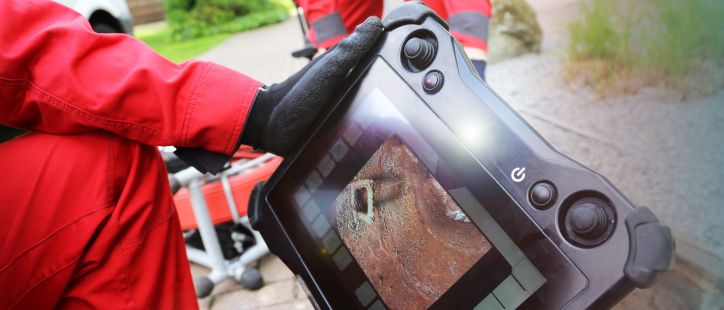
When a sewer line problem is suspected, the next step is figuring out exactly what’s going on. One of the most effective ways to do that is with a camera inspection.
A small camera is fed into the sewer line, allowing a technician to see:
- Buildup inside the pipe
- Root intrusion
- Cracks or structural damage
- Areas of blockage
This takes the guesswork out of the process and helps determine the best way to fix the issue.
Taking Action Early Makes a Difference
If you’re noticing slow drains, unusual sounds, or anything that seems out of the ordinary, it’s worth taking a closer look. In many cases, early intervention can prevent a much larger problem down the line. For homeowners across the North Shore and surrounding areas, March is a good time to check in on your plumbing system and make sure everything is moving the way it should.
When to Bring in a Professional
If the signs are adding up, it’s time to get a professional involved. Maffei Services works with homeowners throughout the North Shore to diagnose and address sewer line issues before they escalate. Whether it’s a minor blockage or something more involved, getting a clear answer is the first step. Because when it comes to your sewer line, what you don’t see can matter the most.