As winter fades and spring arrives across Northeast Massachusetts and Southern New Hampshire, many homeowners notice something familiar when they head downstairs. A musty smell. Maybe it’s faint at first. Maybe it’s strong enough that you notice it as soon as you open the basement door. Either way, that damp, earthy odor is often one of the first signs that moisture is finding its way into your basement. The good news is that the smell itself isn’t usually the problem. It’s a symptom. And understanding what’s causing it can help you prevent larger issues down the road.
Why Spring Brings Basement Odors
Spring creates the perfect conditions for moisture. Snow melts. Rainfall increases. The ground becomes saturated. Humidity levels begin to rise. All of that moisture puts pressure on basements and crawl spaces. Even homes that stay completely dry throughout the winter can experience dampness in the spring. When moisture lingers, it creates an environment where odors thrive. The result is that familiar musty smell many homeowners associate with basements.
Excess Moisture Is Usually the Root Cause
Musty odors are almost always tied to excess moisture. Sometimes the source is obvious. Other times it’s hidden.
Common contributors include:
- High humidity
- Minor water intrusion
- Condensation
- Slow drainage issues
- Damp building materials
The longer moisture sticks around, the more noticeable the odor becomes.
Spring Humidity Can Make Things Worse
Many people assume basement odors only come from leaks. That’s not always the case. As outdoor humidity rises in the spring, basement air can become damp even without standing water. Basements naturally stay cooler than the rest of the house. When warm, humid air enters the space and comes into contact with cooler surfaces, condensation can form.
This often happens on:
- Foundation walls
- Water pipes
- Ductwork
- Concrete floors
Even small amounts of recurring condensation can contribute to lingering odors over time.
Don’t Overlook Floor Drains
One of the most overlooked sources of basement odors is the floor drain. Most basement floor drains contain a trap designed to hold water. This water creates a seal that prevents sewer gases from entering your home. During the winter, some drains go unused for months. When the water inside the trap evaporates, sewer odors can begin to make their way into the basement. Fortunately, this is often easy to fix. Pouring water into the drain may restore the trap seal and eliminate the smell. If odors persist, however, there could be a larger drainage issue that requires professional attention.
Slow Drains Can Contribute to Odors
Spring is also a common time for homeowners to notice sluggish drains. Over the winter, grease, soap residue, hair, and debris can accumulate inside plumbing lines. As temperatures warm and household activity increases, those partially restricted drains may begin producing unpleasant smells.
You might notice odors coming from:
- Basement utility sinks
- Floor drains
- Laundry drains
Professional drain cleaning can often remove buildup and restore proper flow before it develops into a larger problem.
Is Your Sump Pump Doing Its Job?
Your sump pump plays a major role in keeping your basement dry. Spring is when many sump pumps see their heaviest workload of the year. Melting snow and seasonal rainstorms increase groundwater levels around your home’s foundation. If your sump pump isn’t operating properly, moisture can begin accumulating where it shouldn’t.
Signs your sump pump may need attention include:
- Excessive cycling
- Unusual noises
- Visible rust
- Standing water in the sump pit
- Water collecting near the foundation
A sump pump doesn’t have to fail completely to contribute to moisture issues. Even minor performance problems can allow humidity levels to increase.
Check for Hidden Water Leaks
Not every source of moisture comes from outside. Small plumbing leaks often go unnoticed because they develop gradually. A dripping pipe behind a wall. A slow leak near a water heater. Condensation around plumbing connections. Over time, these small amounts of water can create persistent dampness and odor. If the smell seems concentrated in one area of the basement, it may be worth investigating further.
Storage Can Make Odors Worse
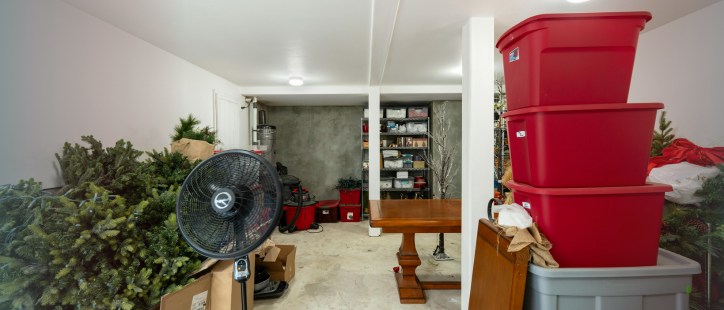
Basements are often used for storage. Cardboard boxes, old furniture, carpeting, and fabric items absorb moisture easily. Once they become damp, they can hold odors long after the original moisture source has been addressed. If you’re noticing a musty smell, take a look at what you’re storing downstairs. Replacing damaged materials and improving airflow can make a significant difference.
What You Can Do Right Now
If your basement smells musty this spring, start with a few simple steps:
- Check floor drains and add water if needed
- Inspect for visible leaks
- Test your sump pump
- Remove damp storage materials
- Improve ventilation
- Monitor humidity levels
If the smell persists, there may be an underlying issue that needs a closer look.
Don’t Ignore What Your Basement Is Telling You
Your basement shouldn’t smell like a damp storage shed. If you’re noticing musty odors this spring, your home may be trying to tell you something.
Maffei Services helps homeowners throughout Northeast Massachusetts and Southern New Hampshire diagnose moisture, drainage, and plumbing issues that commonly contribute to basement odors. Sometimes the solution is simple. Sometimes it’s a combination of factors. Either way, addressing the cause—not just the smell—can help keep your basement cleaner, drier, and more comfortable throughout the spring and summer months.