May is one of the best times of the year to tackle home maintenance projects. The weather is warming up. Summer plans are taking shape. And for many homeowners across the North Shore, Merrimack Valley, and Southern New Hampshire, thoughts are turning toward outdoor projects and vacation plans.
It’s also the ideal time to think about something less exciting but equally important: summer storm season.
Heavy rain, strong winds, lightning, and power outages can place significant strain on your home’s systems. While no one can predict exactly when the next severe storm will arrive, there are steps you can take now to help reduce the risk of damage and unexpected problems later.
The key is preparation. A few small tasks completed now can make a major difference when severe weather moves through the area.
Why Spring Is the Best Time to Prepare
Once summer arrives, storm-related service requests tend to increase. Homeowners who wait until after a problem develops often find themselves dealing with emergency repairs, scheduling delays, and avoidable damage.
Taking a proactive approach in May allows you to inspect your home’s critical systems while the weather is still cooperative and before severe storms become more frequent. Think of it as giving your home a seasonal checkup.
Start Outside
Many storm-related issues begin before the storm even reaches your property. Take a walk around your home and look for potential hazards.
Trim Weak Tree Branches
Trees add beauty and shade to your property, but they can also become a problem during strong winds.
Look for:
- Dead limbs
- Cracked branches
- Branches hanging over your roof
- Limbs positioned above outdoor equipment
A falling branch can damage air conditioning equipment, electrical systems, vehicles, and even your home itself. Addressing these concerns now is much easier than dealing with the aftermath of a storm.
Clear Gutters and Downspouts
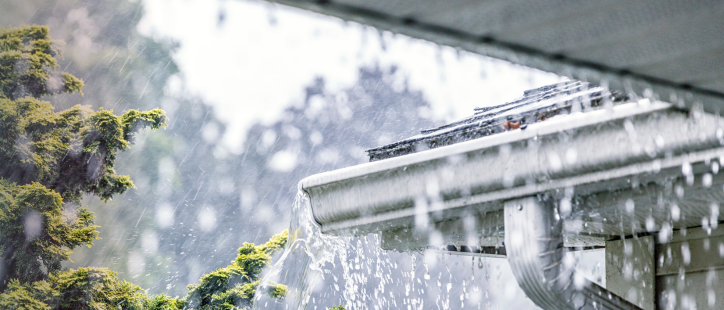
Your gutters play a critical role during heavy rain. Leaves, sticks, and debris can block water flow and cause gutters to overflow. Water that cannot properly drain away from the home may end up near your foundation, basement, or crawl space.
Take time to:
- Remove debris from gutters
- Verify downspouts are clear
- Ensure water drains away from the foundation
This simple task can help prevent larger water issues later.
Check Outdoor Drains
Outdoor drains often collect leaves, mulch, dirt, and debris throughout the spring. Before storm season begins, make sure they are free and clear. Proper drainage helps reduce standing water around your home and minimizes the risk of flooding during heavy rainfall.
Protect Your Air Conditioning System
As temperatures rise, your air conditioning system becomes one of the hardest-working pieces of equipment in your home. Unfortunately, it’s also vulnerable to storm-related damage.
Give Your Outdoor Unit Space
Inspect the area around your outdoor condenser.
Clear away:
- Overgrown shrubs
- Yard equipment
- Debris
- Mulch piled against the unit
Maintaining two to three feet of clearance around the equipment helps ensure proper airflow and performance.
Consider HVAC Surge Protection
Lightning strikes and power fluctuations can damage sensitive electronics inside modern HVAC equipment. Many homeowners don’t realize that today’s air conditioning systems contain sophisticated circuit boards and components that can be vulnerable to electrical surges.
Installing HVAC surge protection is a relatively small investment compared to the cost of repairing or replacing damaged equipment. It’s one of the most effective ways to protect one of your home’s largest mechanical systems.
Never Restart Flooded Equipment
If a storm causes flooding and your outdoor unit becomes submerged, resist the temptation to turn it back on. Water can damage electrical components and create safety hazards. Instead, have the system inspected by a licensed HVAC technician before restarting operation.
Pay Attention to Your Plumbing
Summer storms can expose existing plumbing problems that have gone unnoticed. Now is a good time to pay attention to warning signs.
Don’t Ignore Slow Drains
A slow drain may seem like a minor annoyance, but it often signals buildup or a developing blockage. Heavy rainfall and increased water usage during the summer can make existing drainage issues more noticeable. If you’ve been putting off addressing a slow sink, shower, or floor drain, spring is the perfect time to tackle it.
Watch for Standing Water
After rainfall, pay attention to how water behaves around your property. Standing water near your foundation, basement entrances, or low areas of the yard may indicate drainage concerns that should be corrected before larger storms arrive.
Address Leaks Early
Even small leaks can become bigger problems over time. Leaky fixtures, hidden plumbing leaks, or unusual changes in water pressure are worth investigating before summer demand increases.
Prepare for Power Outages
Power outages are one of the most common consequences of severe summer weather. While some outages are brief, others can last much longer.
Take a few minutes to:
- Test flashlights
- Replace batteries
- Verify backup power supplies are operational
- Review emergency contact information
A little preparation can make an outage far less stressful.
Peace of Mind Starts Before the Storm
Most homeowners don’t think about storm preparation until severe weather is already in the forecast. By then, options may be limited. The best time to prepare is before you need to. Whether it’s protecting your HVAC equipment, addressing drainage concerns, clearing gutters, or identifying potential plumbing issues, the work you do now can help reduce stress later.
At Maffei Services, we help homeowners throughout the North Shore, Merrimack Valley, and Southern New Hampshire prepare their homes for the seasons ahead. If you have questions about your home’s plumbing, drainage, cooling system, or storm readiness, our team is here to help.

